
30/12/2023
Hotline tư vấn:
0865426666 - 0865426666
en



Từ khoá tìm kiếm
The Larsen piles are built with a robot press method
Date 28-12-2023 Views 467
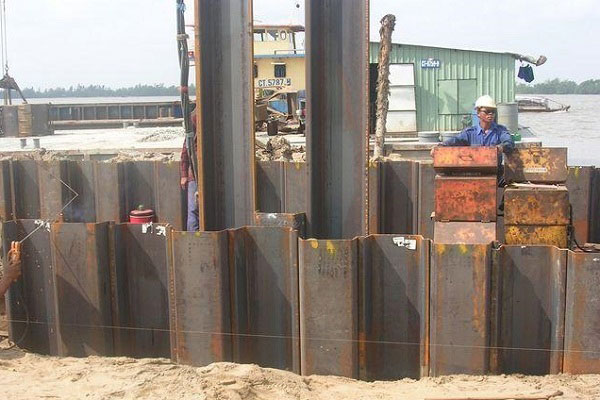
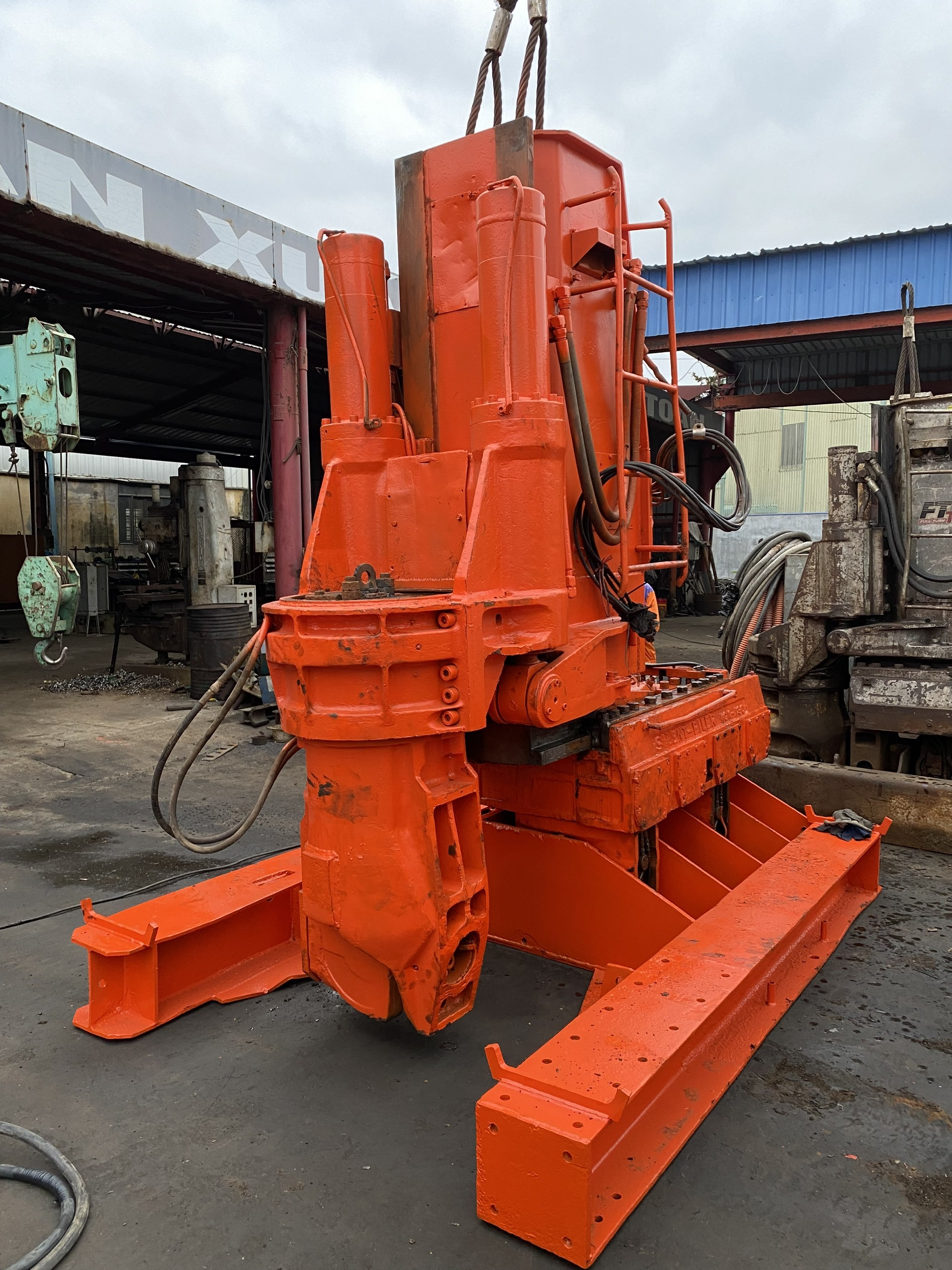
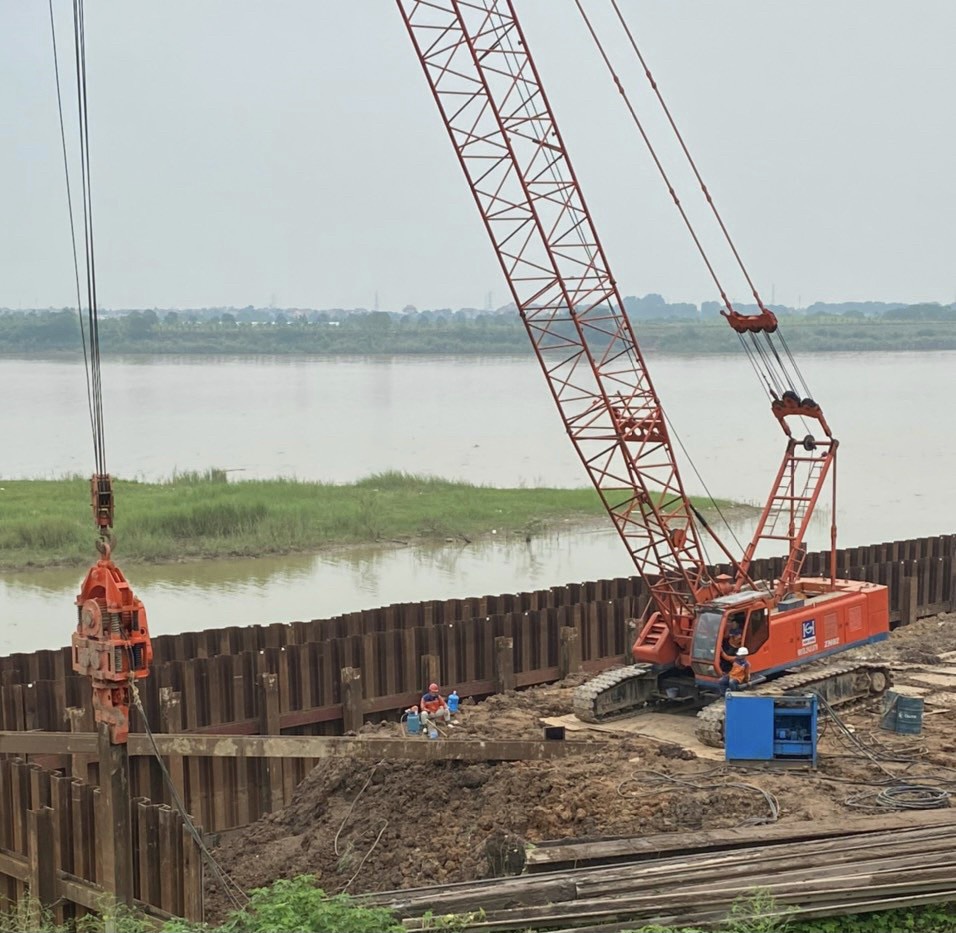
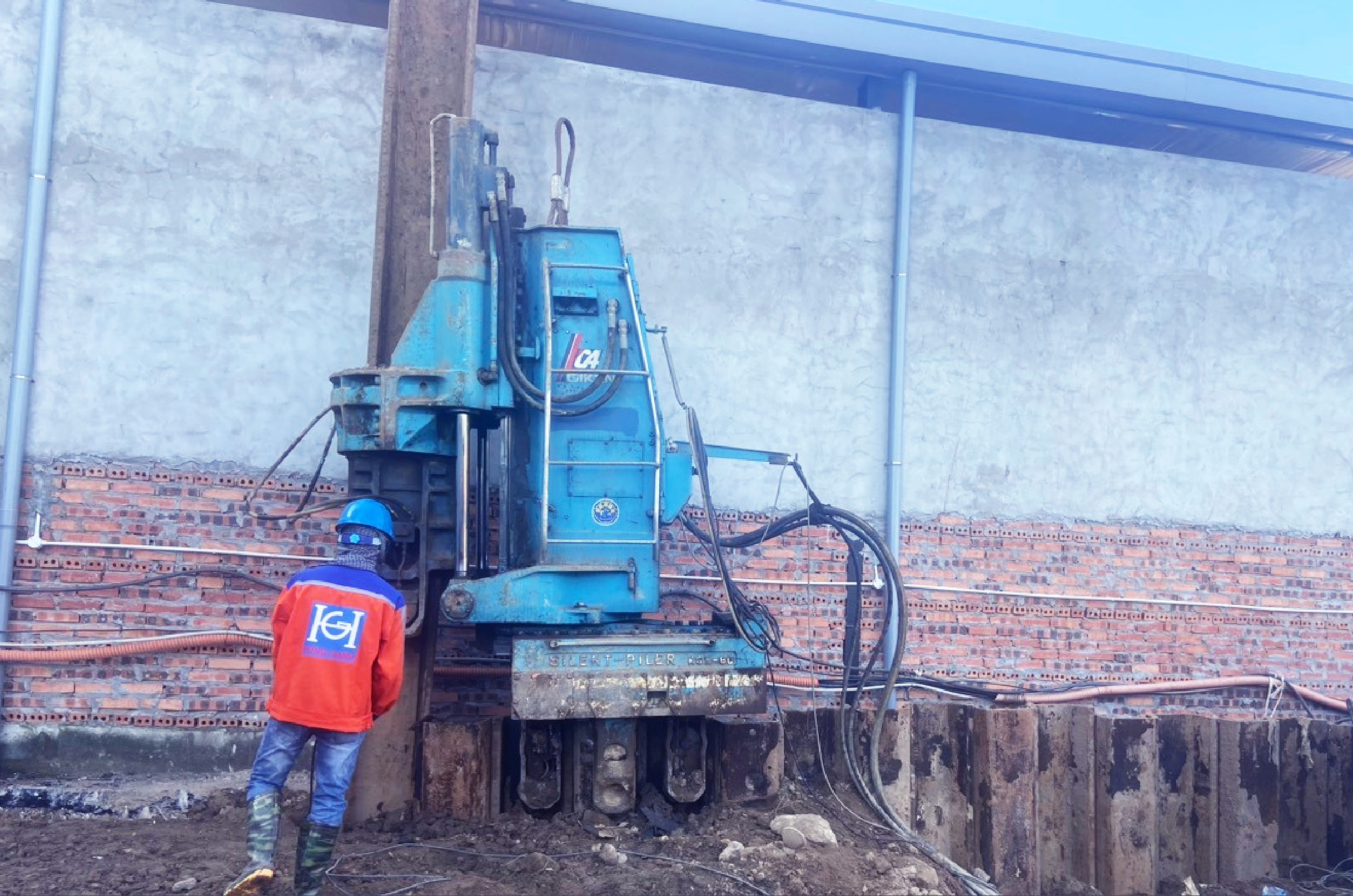
The larsen pile pressing method using a static pile pressing machine, also known as a robot, is one of the most popular methods today.
Overview of Larsen Piling by Robot
To execute Larsen piling using a robot, a static pressing machine with a force ranging from 70 to 150 tons and some auxiliary equipment is required. The duration of piling with a robot can vary from 6 to 23 hours depending on the complexity of the project. If simultaneous piling is performed on multiple projects, a well-coordinated schedule must be arranged to avoid interference with each project's construction progress.
The straightness of the piles is allowed to have an error ranging from 0-1%, and the pile heads must tilt outward from the construction site.
Pros and Cons of Robot-Driven Piling
Advantages: Suitable for projects with limited space and challenging working conditions, such as urban areas, densely populated areas, and near small rivers. This method also exhibits high stability in foundation handling.
Disadvantages: Piling Larsen with a robot has several limitations, including:
- Large size, causing difficulties in transportation.
- High associated costs.
- Requires a power supply unit in addition to the pressing head, and the construction area must ensure a stable power source for the machine.
- Cannot self-lift the piles, requiring multiple workers.
- Potential construction issues due to tangled electrical wires.
- Causes environmental pollution and generates loud noise.
Both robot-driven Larsen piling and vibratory hammer-driven Larsen piling fundamentally provide stability to construction projects. However, depending on financial conditions, construction space, and project timelines, the contracting unit may choose the most suitable form of Larsen piling while ensuring the quality of the project.
To meet the piling needs in construction, Xây Dựng Nền Móng specializes in providing Larsen piling services using both robots and vibratory hammers across provinces and cities nationwide.
If you have any requirements for these services, please contact us at 0961.394.633 for advice and a quote for Larsen piling.
We take pride in offering a service with a full range of machinery and a skilled technical team, committed to providing customer satisfaction with service quality and project outcomes.
Tin liên quan