
30/12/2023
Hotline tư vấn:
0865426666 - 0865426666
en


Từ khoá tìm kiếm
Larsen pile Shoring system 2024 - Updated construction plans, latest unit prices
Date 29-12-2023 Views 527
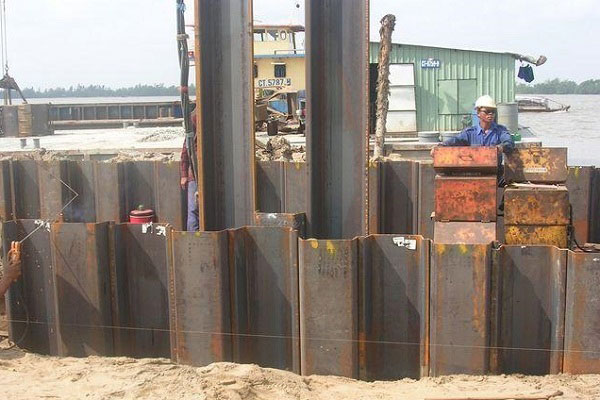
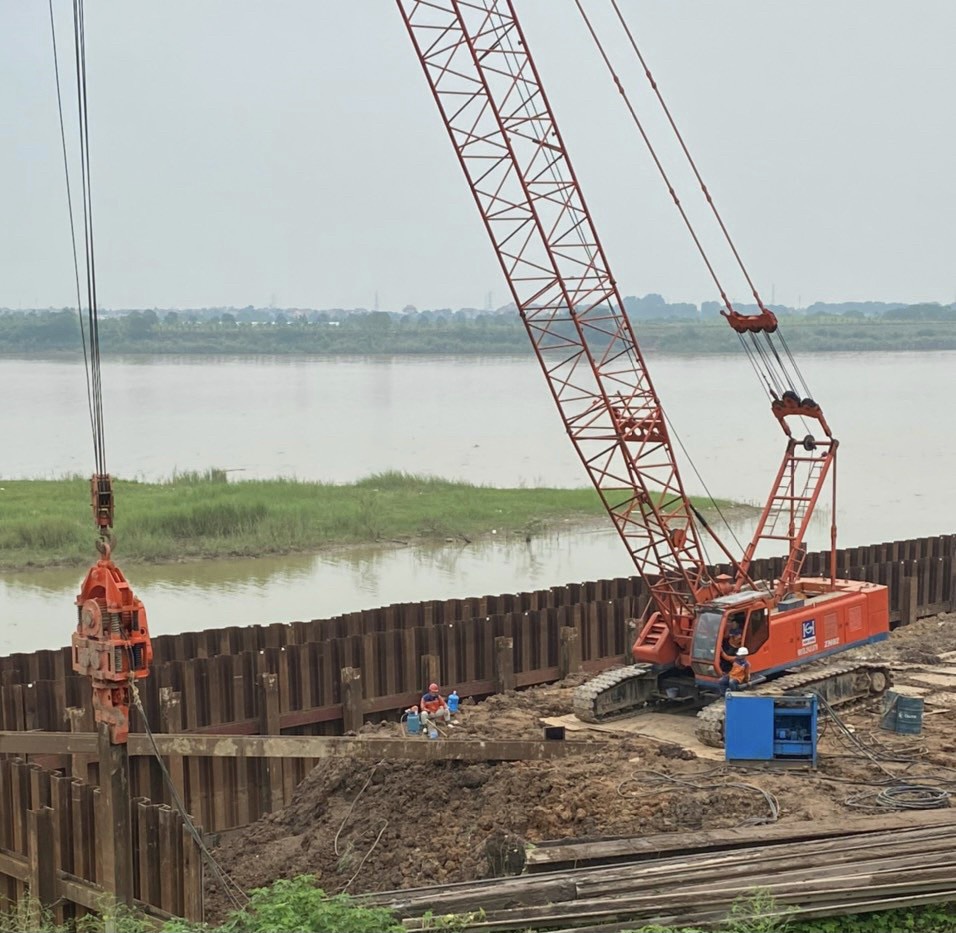
When constructing structures with basements, high-rise buildings embedded in the city, clusters of buildings within factories, furnace pits, bridges and ports, culverts, embankments, hydraulic structures, etc., the use of Larsen piles as retaining walls is a safe, fast, convenient, and significantly more cost-effective measure compared to constructing diaphragm walls.
Retaining walls using Larsen piles, combined with stability methods for pile walls, are the best measures to prevent soil erosion. Hung Giang is the leading company in Vietnam for supplying and constructing Larsen pile foundations.
When constructing structures with basements, high-rise buildings embedded in the city, clusters of buildings within factories, furnace pits, bridges and ports, culverts, embankments, hydraulic structures, etc., the use of Larsen piles as retaining walls is a safe, fast, convenient, and significantly more cost-effective measure compared to constructing diaphragm walls.
Retaining walls using Larsen piles, combined with stability methods for pile walls, are the best measures to prevent soil erosion. Hung Giang is the leading company in Vietnam for supplying and constructing Larsen pile foundations.
Stability Methods for Larsen Pile Walls
There are three stability methods for Larsen pile walls:
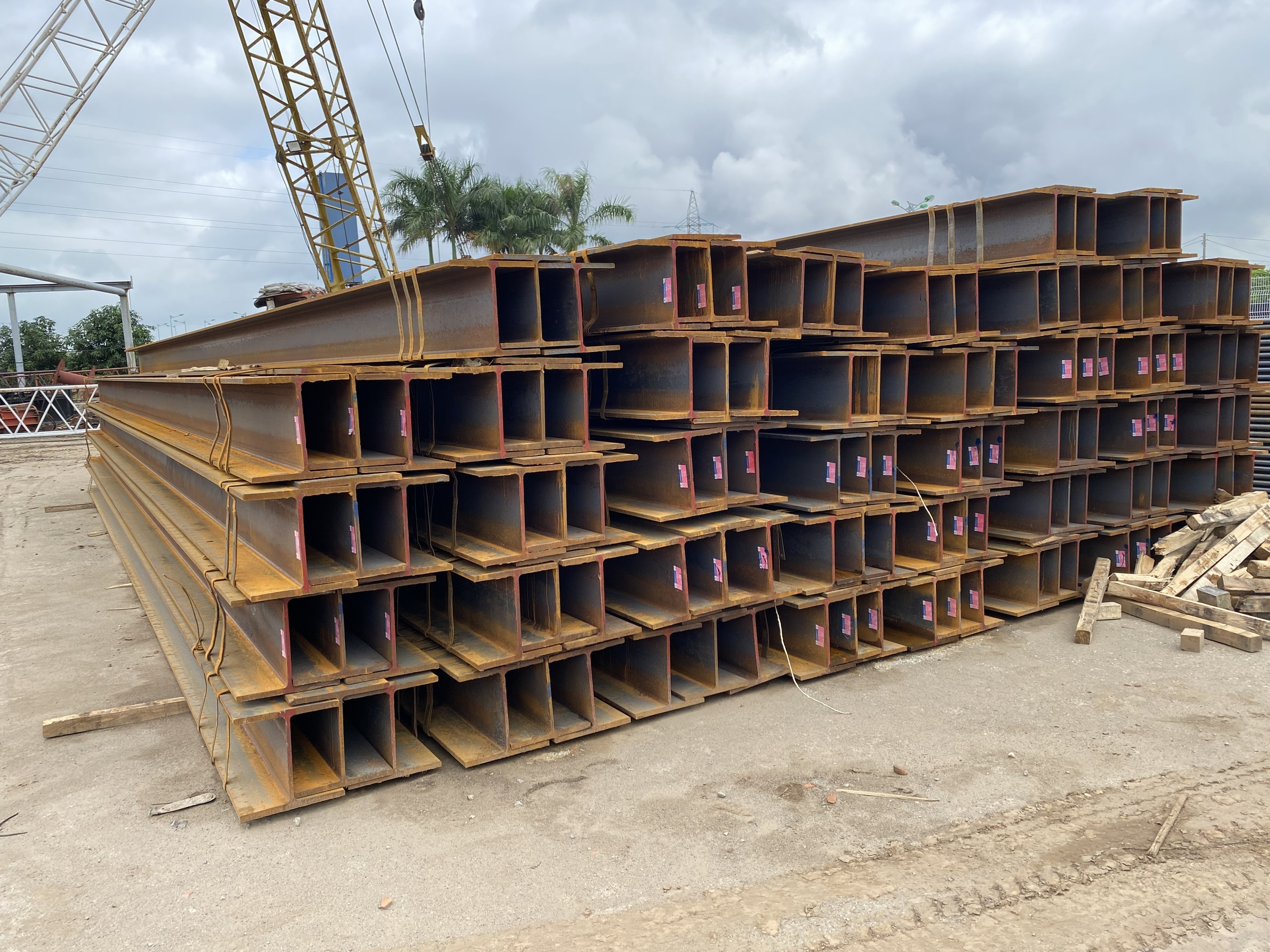
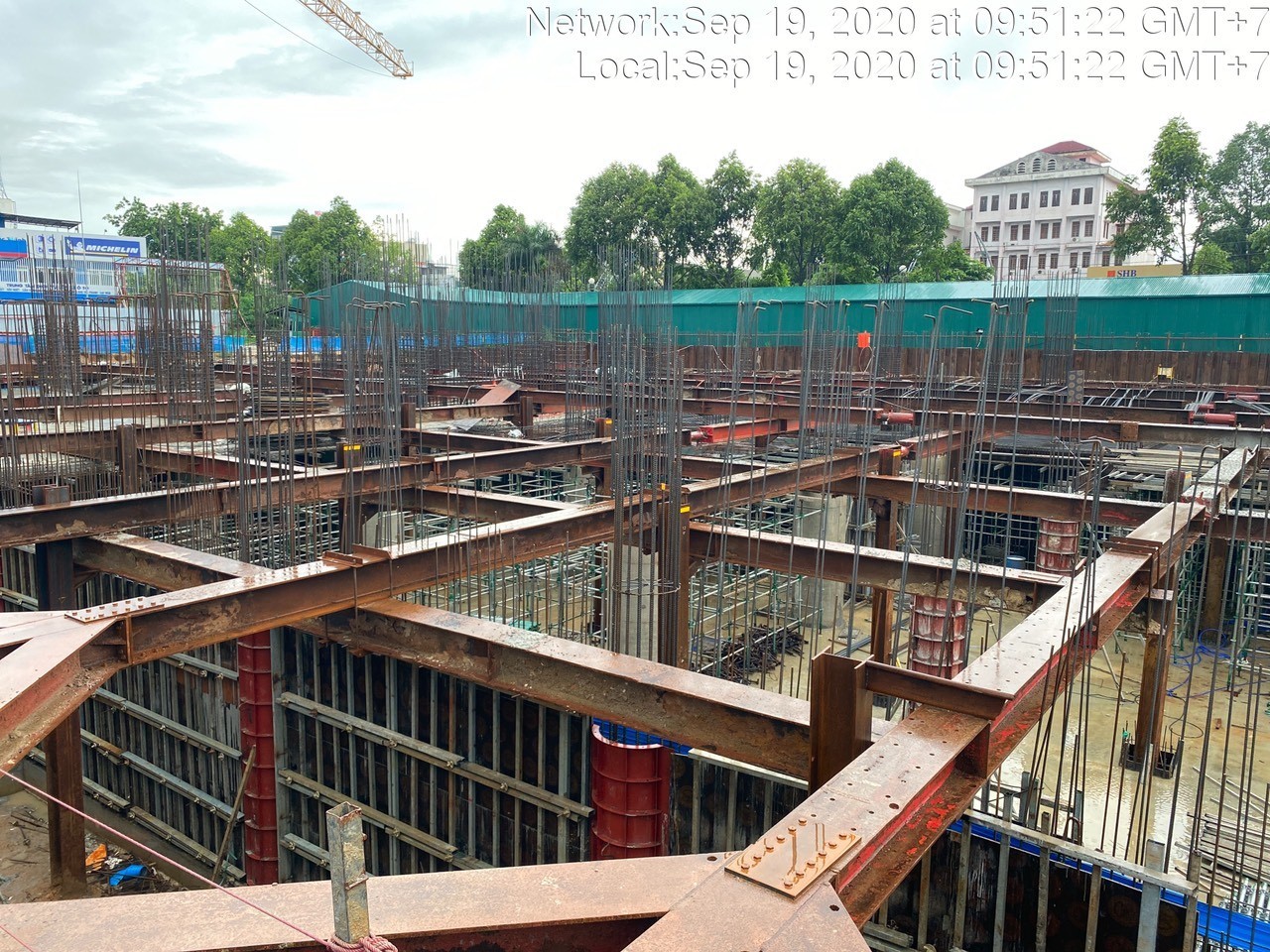
a. Steel Shape Bracing: This method uses H-shaped steel beams (H300, H350, H400) to support the Larsen pile wall. When excavating the foundation pit, the external soil pressure is higher than the internal pressure, causing the Larsen pile wall to be pushed inward. Therefore, a system of bracing with steel beams is used to resist the soil pressure and maintain balance between internal and external pressures, ensuring that the Larsen pile wall remains upright and does not tilt or collapse. Depending on the depth of the excavation, one or multiple layers of bracing may be used to stabilize the Larsen pile wall. This is a commonly used method for stabilizing Larsen pile walls.
b. Stabilization using Pile Drilling: This method is suitable for large excavation pits where the entire space inside needs to be utilized for construction, and there is enough space outside the excavation pit. In this case, instead of using a bracing system with steel beams, a pile drilling method is employed. Steel rods are drilled through the Larsen pile wall into the soil outside the foundation pit. A drilling machine is used to drill steel rods into the soil, and then cables are inserted into the drilled holes and concrete is pumped at certain points to create the head of the pile.
c. Stabilization using Outer Drilled Holes from a Lower Groundwater Level: This method is used for shallow foundation pits with ample space outside. Outer drilled holes are created at a lower groundwater level than the bottom of the excavation pit. These drilled holes, combined with slope excavation inside the foundation pit, aim to reduce the soil pressure on the Larsen pile wall, balancing the pressure inside and outside and thereby maintaining the stability of the Larsen pile wall.
Tin liên quan